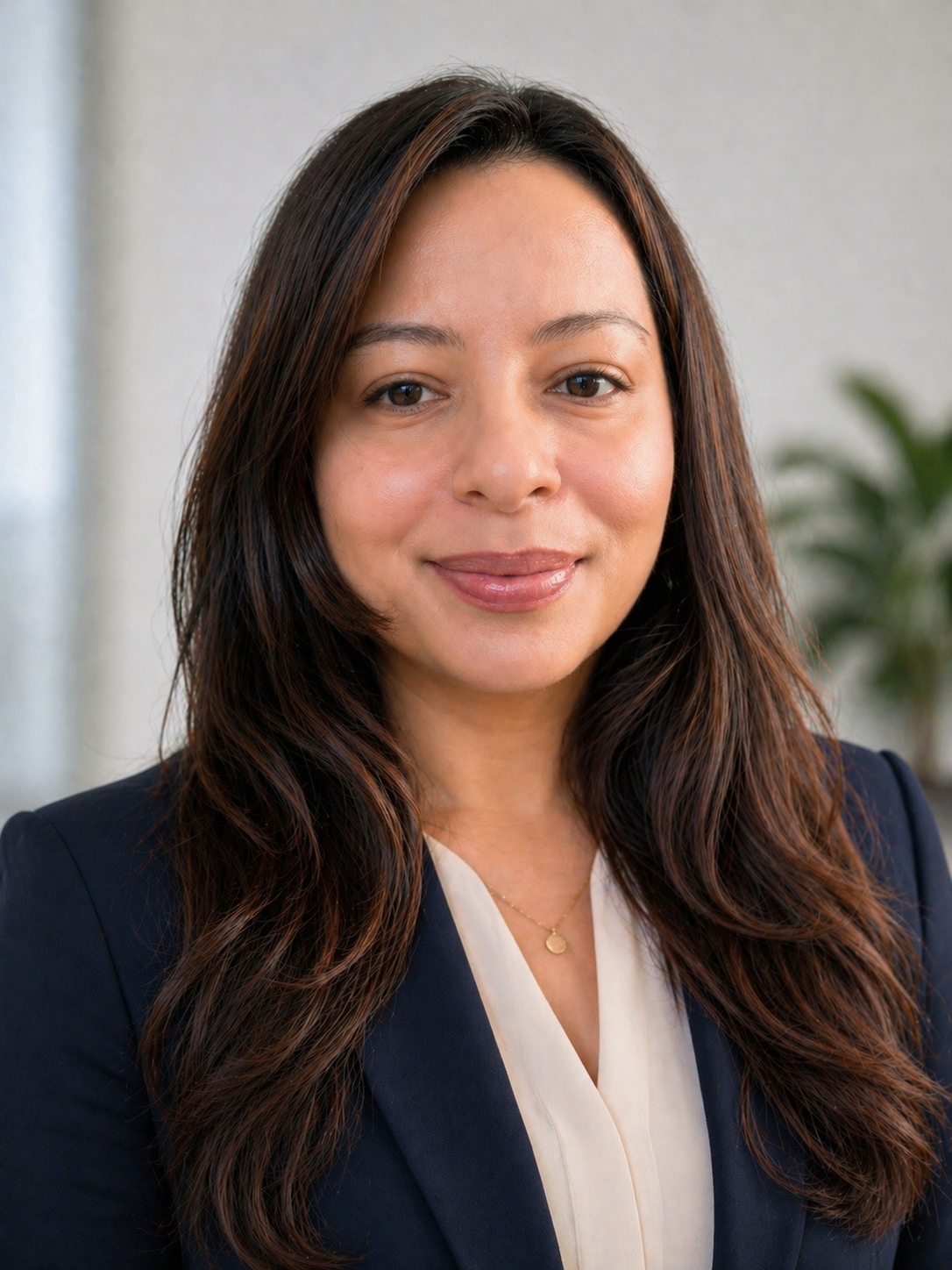
Hello! I am a PhD candidate in Economics at the University of Washington – Seattle, specializing in Development Economics. My research agenda is motivated by a central question: how can rigorous empirical methods be leveraged to inform policies that reduce economic inequalities and expand opportunity?
I bring over seven years of experience conducting field research, designing impact evaluations, and working with both experimental and observational data. My work spans low- and middle-income countries—where I examine issues related to financial inclusion, labor markets, and women's empowerment—as well as the U.S. context, where I use large-scale administrative data to study education policy, academic mobility, and long-run labor market outcomes.
Methodologically, I apply a range of causal inference tools, including randomized experiments, difference-in-differences, and high-dimensional fixed effects models, to answer policy-relevant questions. My goal is to produce research that advances scholarly understanding while offering practical insights for improving socioeconomic outcomes in diverse contexts.
Research
Through which mechanisms does access to digital financial services enhance women’s economic empowerment? We address this question using a lab-in-the-field experiment with married women in Tanzania designed to isolate the pathways through which mobile money may strengthen women’s control over resources. Participants were randomly assigned to conditions that varied both the observability of their financial decisions, whether information about their choices was shared with their husbands (public) or kept confidential (private), and the payment modality, receiving funds either in cash or mobile money across two incentivized games. We find that public observability does not affect women’s willingness to accept mobile money or change their investment behavior, suggesting privacy is not the main channel through which mobile money services give women greater control over money. Instead, utilizing further randomization of the cash treatment into earmarked and unearmarked, we show that funds received as mobile money appear to be better earmarked as the woman’s, increasing her perceived ownership of them. These results suggest that digital finance promotes empowerment primarily by strengthening women’s perceived ownership and authority over resources, rather than by increasing privacy.
Informal risk-sharing networks help households smooth income shocks in low-income settings, but marginalized groups excluded from these networks face greater economic vulnerability when shocks occur. This paper examines how caste-based social exclusion shapes informal insurance in rural Nepal. Using household-level panel data, I show that caste identity significantly constrains access to risk-sharing networks. Households from socially excluded castes experience larger fluctuations in consumption following income shocks, consistent with weaker insurance. However, as the share of excluded individuals within a village rises, their consumption becomes less sensitive to income fluctuations, suggesting the emergence of more effective within-group and cross-group risk-sharing mechanisms. These findings highlight how social identity not only limits participation in informal insurance but also reshapes it as group composition and social integration evolve.
This study examines how improvements in women's labor market opportunities affect intra-household dynamics, bargaining power, and overall marriage quality in developing contexts.
This research compares the effectiveness and accuracy of in-person versus phone-based student assessment methods, with implications for education monitoring in resource-constrained and remote settings.
This paper examines the labor market returns to education credentials earned while incarcerated, using administrative data and rigorous causal inference methods to estimate effects on post-release employment outcomes.
This project examines how student mobility affects both standardized test performance and non-test outcomes like attendance, behavior, and graduation rates through longitudinal analysis of comprehensive education data.
This study evaluates the effectiveness of AI-based educational interventions in improving learning outcomes for students in remedial education programs in Nepal, with a focus on scalability and cost-effectiveness.
Teaching Experience
Evaluated student assignments and exams for undergraduate course on gender economics, provided feedback on economic analyses of gender-based disparities, and assisted professor with course materials development.
Served as teaching assistant for undergraduate introductory microeconomics course, held weekly office hours, graded assignments and exams, and facilitated discussion sessions on core economic concepts.
Assisted professor with course delivery, led review sessions, provided feedback on student work, and helped students understand fundamental macroeconomic principles and models.
Professional Experience
I work with longitudinal administrative data to study the impact of educational policies on student achievement, academic mobility, and labor market outcomes. This includes contributing to ongoing research using advanced econometric methods and writing academic papers and reports for publication.
Recent work includes co-authoring the paper Course Corrections? The Labor Market Returns to Correctional Education Credentials (with Dan Goldhaber and James Cowan), currently under revise and resubmit.
As part of research collaborations at UW, I have worked on several multi-country projects addressing core development challenges through a gender and labor lens. My role includes survey design, high-frequency monitoring, causal inference using STATA and R, and writing for academic and policy audiences.
Projects:
- Livelihood program impact on household outcomes (with Riley & Mahmud)
- Mobile money and microfinance clients in Tanzania (with Riley & Heath)
- COVID-19 impacts on garment workers in Bangladesh (with Boudreau & Heath)
Supported disparity studies for Minority- and Women-Owned Businesses at the state and municipal level. Managed and analyzed large-scale procurement data using STATA, R, and SQL, and developed data-driven insights to guide equitable contracting policies.
Developed and led a mixed-methods research project on women's economic security, funded by the Women's Foundation of Colorado. Conducted policy reviews and data analysis to highlight systemic barriers to economic opportunity for women in Colorado.
Contributed to regional monitoring for SDG 4 by analyzing education policies across eight SAARC countries. Developed simulation models to estimate Bhutan's education financing gap, supporting grant proposals for education sector programs.
Led field research and co-authored studies on post-earthquake health services and female returnee migrants. Published policy reports informed government reintegration efforts, including:
Outdoors
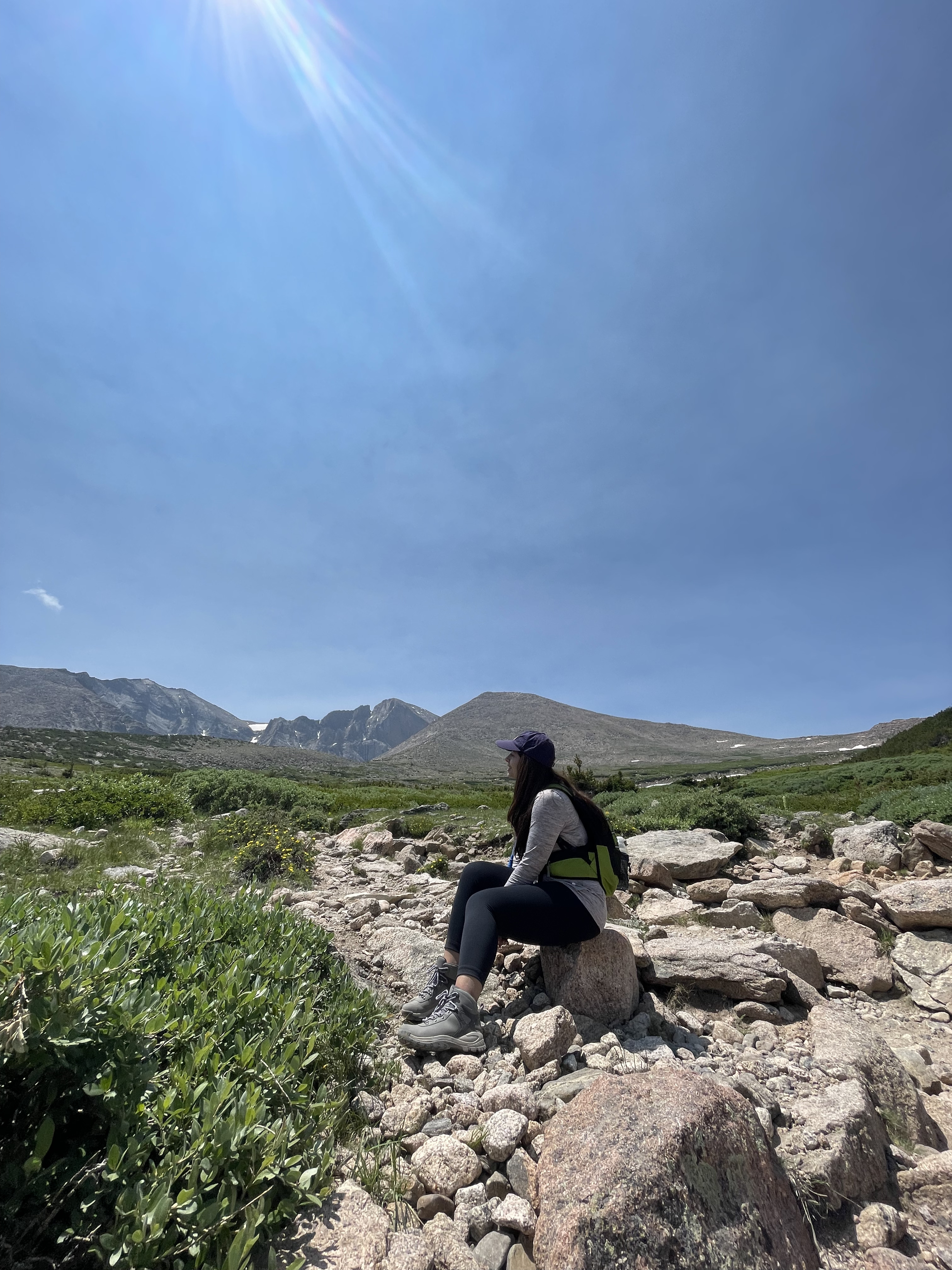
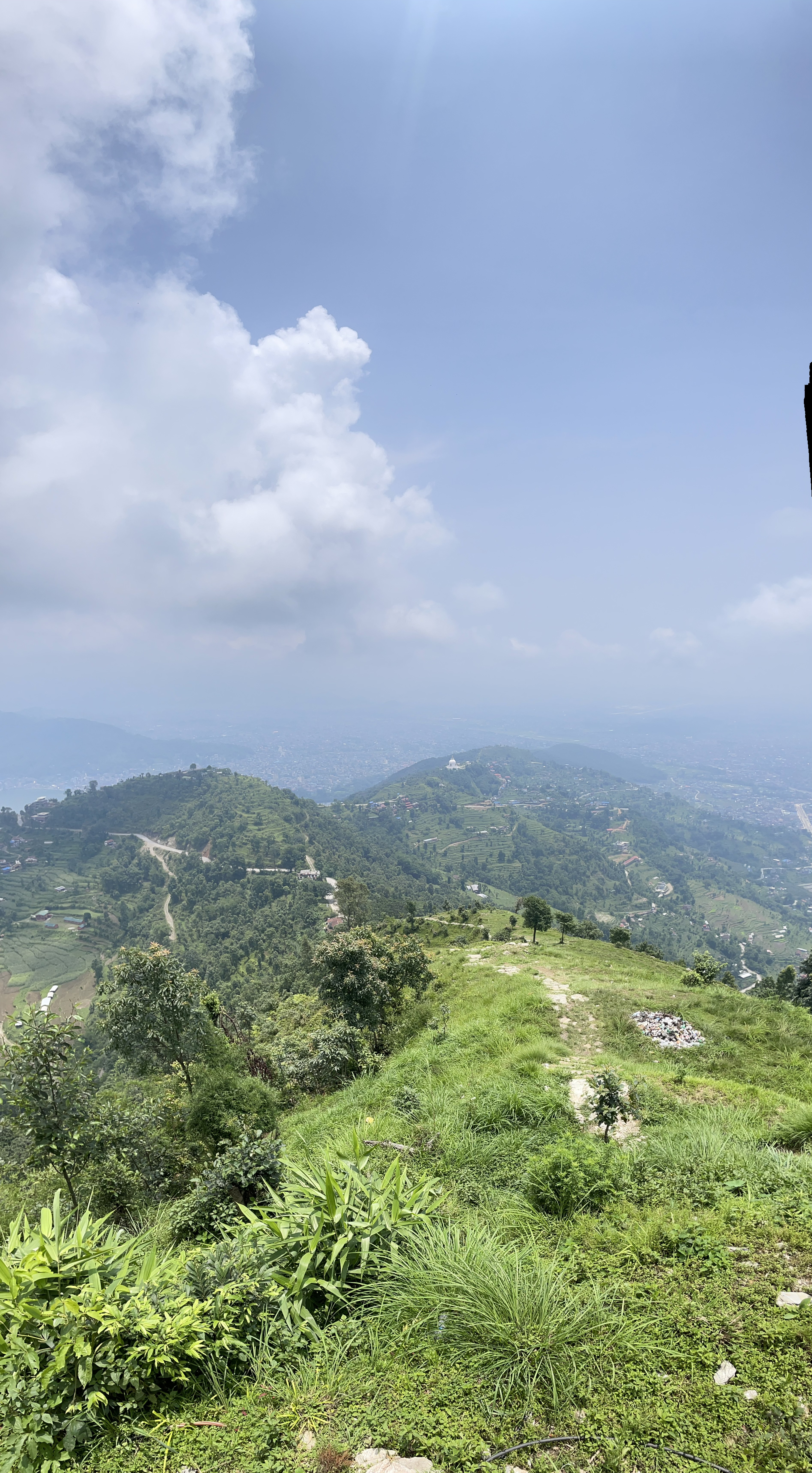
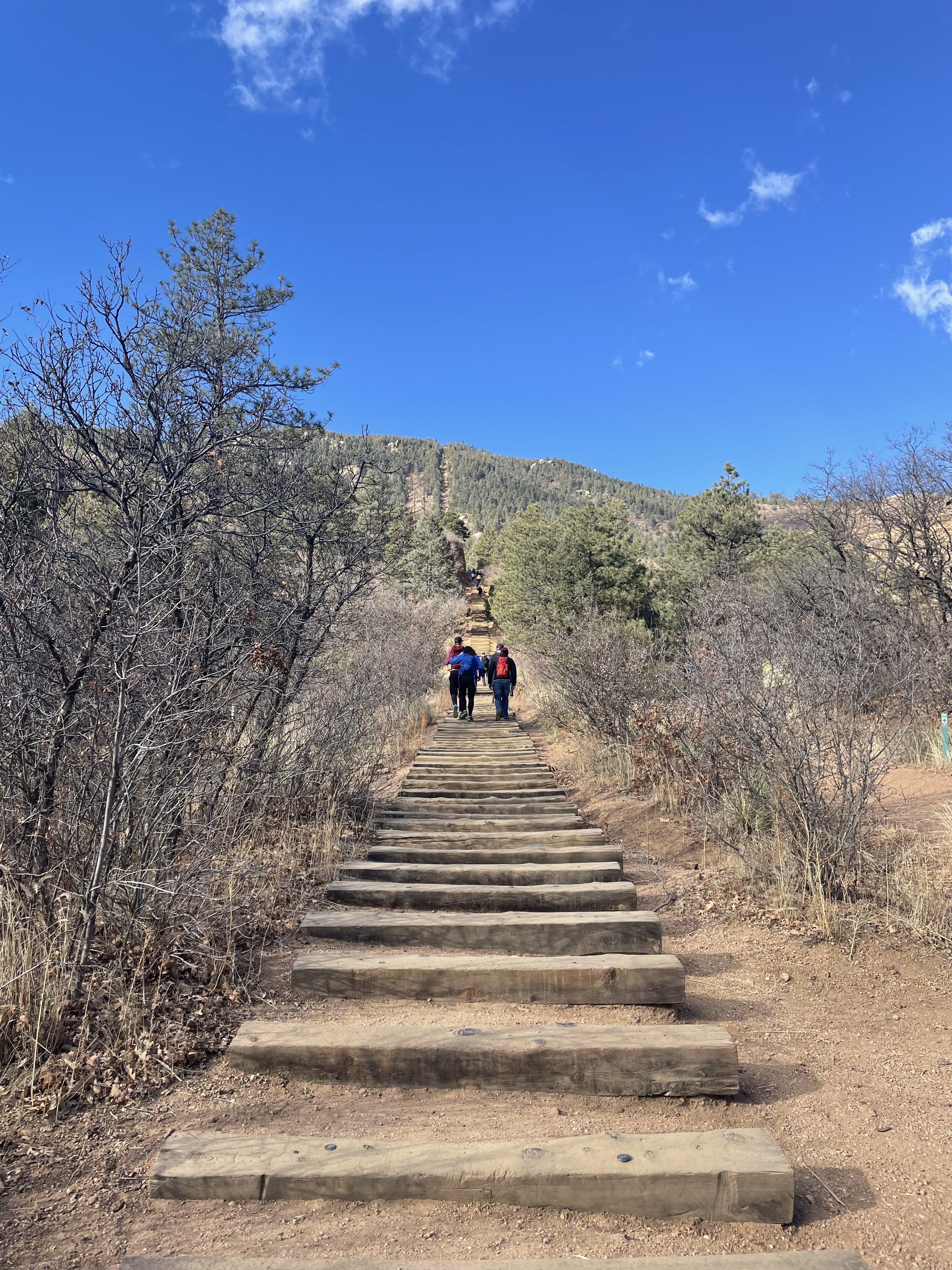
Beyond research and academia, I find joy and balance in the outdoors. Whether hiking alpine trails, camping under the stars, or paddle boarding on a quiet lake, being in nature is my favorite way to recharge. I especially love capturing these moments through photography—whether it's a moody coastline, a wildflower-filled meadow, or a misty morning on the water. While I've spent a lot of time exploring the Pacific Northwest, my adventures have taken me far beyond—on mountain passes, forest trails, and remote campsites across different landscapes. These moments fuel both my creativity and clarity, and remind me of the bigger picture. Here are a few snapshots from my favorite hikes, paddling trips, and camping escapes.




Contact
Curriculum Vitae
My complete academic and professional background, including education, research experience, publications, and skills.
Download CV